Hands‑Free Home Magic: Routines That Work Without Writing a Single Line

Today we explore smart home routines you can build without coding, using Alexa, Apple HomeKit, and IFTTT. You will see practical, real‑world use cases that start simple and scale gracefully, focusing on everyday comfort, safety, and energy savings while keeping setup friendly, approachable, and fast for absolutely anyone, including first‑timers and curious tinkerers.

Begin with Confidence: What You Can Automate Today

Alexa in Action: Routines That Feel Like Magic
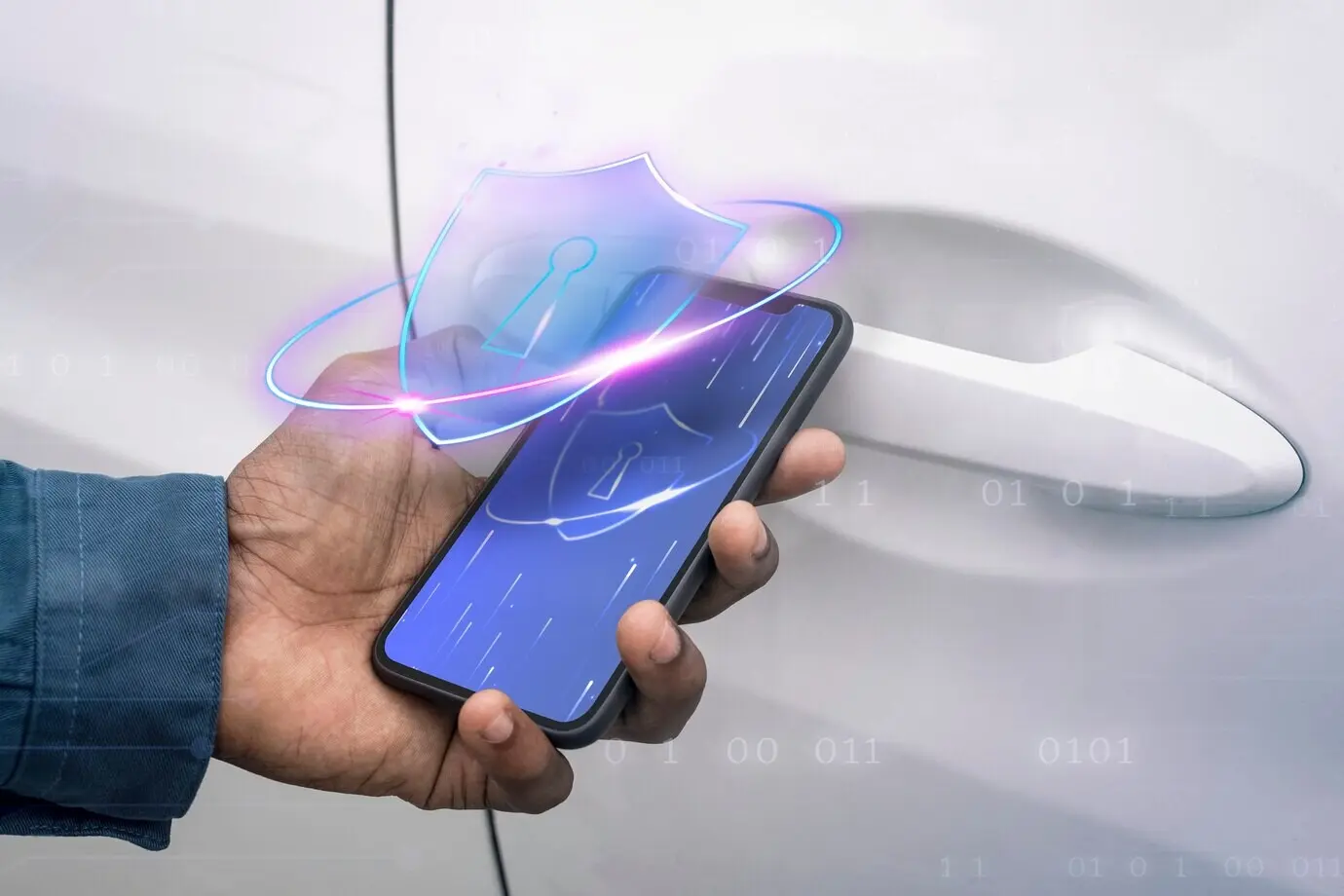
Alexa routines string together voice, schedules, device events, and sound detection into friendly flows. You can set time‑based cues, respond to motion sensors, or simply say a phrase to activate multi‑step actions. Group lights for unified control, adjust thermostats, and broadcast announcements to specific devices. Keep names consistent, test timing, and iterate quickly to make routines reliable companions that feel natural and surprisingly personal every single day.

Room‑by‑room ambience

Create a Cozy Evening scene that sets living‑room lamps to warm white, closes shades, and starts a reading light at a lower level. Tie activation to sunset offsets for a natural transition. Because HomeKit runs locally, responsiveness feels snappy. Over time, refine brightness per room, balancing comfort and energy savings. Everyone gains a predictable, welcoming atmosphere that encourages relaxation without any scripts, add‑ons, or hidden technical steps.

Presence‑aware comfort

Let HomeKit adjust climate and lights when the first person arrives, then save energy when the last person leaves. Presence automation keeps things comfortable without waste, especially across busy schedules. Share your Home with family for smooth control and transparency. Avoid over‑automation by keeping rules simple and intuitive. You will notice how quickly the balance between convenience and efficiency improves, all while maintaining privacy‑forward, local operation for reliability.

IFTTT Bridges: Fill Gaps and Connect the Unlikely

IFTTT applets connect services and devices that might not otherwise talk. Use calendar keywords, weather conditions, or location to trigger lights, plugs, and notifications. This is perfect for devices supported by both IFTTT and your assistant, creating indirect bridges without coding. Start with one helpful applet, observe behavior for a week, then add another small link to build a robust, understandable system gradually and confidently.

Calendar‑aware lighting

Tag important meetings in your Google Calendar and let IFTTT set a desk lamp to a focused color when the event starts. When the meeting ends, return to normal. This gentle cue keeps you present without constant screen checking. Choose devices with native IFTTT support and map colors thoughtfully. Over time, the subtle visual system reduces context switching, improves focus, and remains easily adjustable without code or complex configuration steps.

Weather‑smart routines

Use IFTTT’s weather service to prepare your home for changing conditions. When rain is forecast, flash a hallway light briefly or send a reminder to move shoes indoors. On high‑UV days, close blinds with a supported hub or activate a cool‑down scene. These tiny nudges create proactive comfort, protect furnishings, and encourage healthier habits, all orchestrated from simple toggles and clear names rather than any programming knowledge.

Cross‑platform handshakes

Where direct integrations are limited, pick a device supported by both IFTTT and your voice assistant, like a compatible smart plug or bulb. Let IFTTT toggle it based on a service trigger, then have your assistant routine react to that device state. This indirect handshake keeps things no‑code, debuggable, and flexible. Start with a single explicit signal, document it, and expand carefully to avoid confusion or loops.

Privacy, Reliability, and Costs: Making Thoughtful Choices

Balance convenience with sensible safeguards. HomeKit’s local approach offers speed and privacy, while Alexa and IFTTT add broad integrations and features. Consider data collection settings, two‑factor authentication, and access for guests. Plan for outages by keeping physical controls usable and schedules resilient. Avoid overlap that creates surprises. An intentional strategy protects your time, wallet, and peace of mind while maintaining delightful automations that earn your trust long‑term.

Real Stories: Tiny Automations with Big Impact

Small, thoughtful routines change daily life. Families discover calmer evenings, roommates split chores smoothly, and remote workers focus more easily. These stories highlight practical wins: fewer forgotten lights, timely reminders, and reliable comfort. Each began with one simple step and grew as confidence increased. Let these examples inspire your next move, and share your results so others can learn, adapt, and celebrate progress alongside you.

Build Your First Week of No‑Code Routines

Day 1–2: Foundations

Name devices clearly, group rooms sensibly, and update firmware. Create one morning and one evening scene that adjust lights, a plug, and music. Test both by schedule and voice. Keep a simple checklist of what feels good or awkward. Two polished scenes will become your reliable anchor, making every later addition easier to reason about and faster to troubleshoot without digging into advanced settings or code.

Day 3–5: Smarter triggers

Add presence automation to welcome you home and time‑based rules for consistent mornings. Introduce one sensor for lights or safety and verify behavior across multiple days. If something misfires, simplify and retest. Consider a calendar‑based cue via IFTTT for an important weekly task. These carefully chosen triggers keep complexity low, grow confidence steadily, and transform routines from experiments into dependable helpers woven into daily life.

Day 6–7: Polish and share

Tidy names, remove unused actions, and set gentle delays where needed. Add a single cross‑service bridge with IFTTT if there is a clear benefit, then stop. Invite family to test and note any confusion. Document your final flow in one shared note. Post your favorite win in the comments, subscribe for advanced ideas, and request personalized suggestions for next week’s improvements, all while staying firmly no‑code.
Tofekazoxatupifu
Privacy Overview

This website uses cookies so that we can provide you with the best user experience possible. Cookie information is stored in your browser and performs functions such as recognising you when you return to our website and helping our team to understand which sections of the website you find most interesting and useful.